Run a Card Shop Binder, Shinies & God Packs
Build the set, flex chase pulls, and turn binder progress into shop traffic without emptying your shelves.
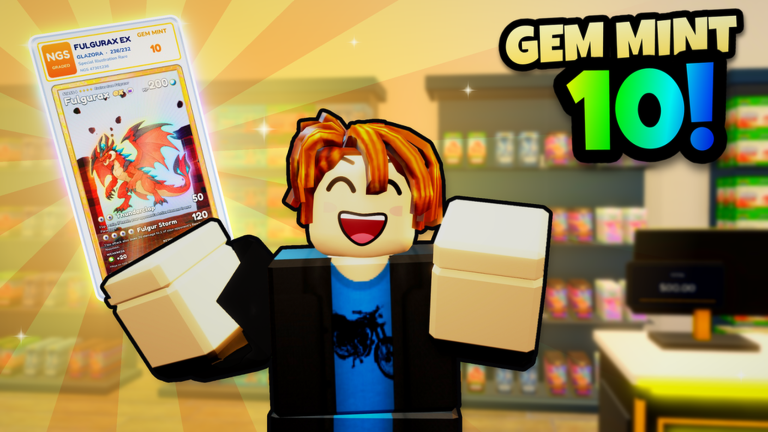
Running the register pays the lights. Collecting is why most players stay. In Run a Card Shop by Lucky Pulls you rip boosters into a growing binder, chase shinies and rare god packs, grade trophy cards toward Gem Mint 10, and display singles so the eight players on your server notice. This guide explains how collection systems connect to Cash flow — because empty shelves still bankrupt stylish binders.
Start here after Getting Started and keep rarities & grading value open while you decide what deserves a slab.
What the binder is for
The binder tracks ownership across a large card pool. Community descriptions mention a big Neomon-line set historically and broader 500+ card goals as lines expand (Gold Rush, Nightshade, Molten Tides Premium, and more). Treat completion as a marathon:
- Fill common/uncommon slots with bulk opens and budget boxes.
- Hunt mid rares for binder progress and sideboard depth.
- Protect high rarities, shinies, and god-pack hits for display, trades flex, or grading.
Duplicates are fuel. Sell raw singles from display tables, keep playables for ranked battles, or hold near-perfect copies for the grading queue (card grading).
Shinies
Shinies are the screenshot currency of the game. They photograph well on profiles, attract neighbor visits, and often sit higher in personal value than a raw non-shiny of similar rarity. When a shiny lands:
- Stop auto-opening long enough to celebrate and screenshot.
- Decide: binder trophy, display table, grade attempt, or hold for a future trade flex.
- Do not bury it under décor clutter — put it where visitors walk.
Shiny chase should not empty your Gold Rush facings. Shelf product still funds the next box.
God packs
God packs are highlight-reel moments: multi-hit or absurdly stacked opens that Discord clips love. Selection bias makes them look common in videos and rare in your real session. Practical rules:
- Pause spam opens when a god pack hits so you secure cards into the binder correctly.
- Reassess whether the rest of that booster line should stay sealed for customers.
- Feed only the best hits into Gem Mint pushes; not every card in a god pack needs a slab on day one.
If a script’s Auto Open cannot pause on god packs, turn it off (Scripts). Missing a hit because the GUI scrolled past is a miserable way to learn automation risk.
Open versus shelf — collection edition
| Situation | Prefer open | Prefer shelf |
|---|---|---|
| Brand-new account learning rarities | Yes (1–3 packs) | Keep most code packs sealed |
| Binder missing mid-set bulk | Targeted opens | — |
| Need Cash for restock/staff | — | Yes |
| Hunting shiny / god pack intentionally | Small controlled sessions | Restock before and after |
| Neighbor traffic high tonight | — | Full facings first |
Codes like goldrush and nightmare inject free product. Opening everything the minute it lands is the fastest way to admire cards beside an empty shop. Balance with Make Money Fast and pack tiers.
Display tables and profiles
Display tables convert collection into storefront marketing. Place:
- Graded Gem Mint slabs at eye level
- Shinies with clean lighting
- Affordable singles so walk-ins can buy something today
Profiles showcase your best pulls to the server. Update them after major opens so returning neighbors see progress. Eight-player caps mean reputation spreads quickly — a dead profile next to a gorgeous tournament hall feels unfinished.
How collection feeds battles
Not every chase card is a ranked staple. Some binder gods are mid in actual duels; some ugly mid-rares enable Crown climbs. When you open:
- Tag battle candidates into a “deck pile” mentally.
- Keep duplicates of staples even if they are not shiny.
- Read Ranked Battles before converting your entire trophy row into a greedy meme deck.
Grading discipline for collectors
Collectors over-grade. Managers under-grade. The sweet spot:
- Grade chase shinies and high rarities that already look centered/clean.
- Skip bulk and damaged-looking pulls.
- Never grade when Cash is needed for restock — slabs do not restock shelves.
Details live in Card Grading. Value context: Tier List Hub.
Décor as collection theater
120+ décor items exist to frame your cards, not replace them. Spend Cash on stock first; spend Chroma on lighting when the binder already has something worth lighting. Neighbor visits are free ads when the floor tells a story: sealed Gold Rush up front, Nightshade accents, trophy row visible from the door (shop management).
Session plan for binder progress
- Redeem live codes.
- Restock S-tier sealed product.
- Open a budgeted number of packs (write the number down).
- Sort: binder slots, deck staples, grade candidates, sellable singles.
- Update display tables and profile.
- One trainer duel to test new staples.
- Log out with shelves full.
Mistakes that stall collections
- Opening every pack “for the binder” while ignoring customers.
- Grading commons for completionist vibes.
- Hiding shinies in deep binder pages nobody sees.
- Chasing god packs with scripts on a main account.
- Ignoring Updates when a new set reshuffles chase priority (November 2026).
Related pages
- Controls & Menus — where binder and open UIs live
- Rarities & grading value
- Pack tier list
- Codes Hub — free packs that feed the binder
- Players Hub — Discord flex channels and tips
Frequently Asked Questions
Quick answers to the most common questions.
What is a god pack in Run a Card Shop?
A rare, extremely stacked booster open with multiple high-end hits. Pause automation and secure cards into the binder when one lands.
Should I open code packs for the binder?
Open a few to learn rarities and chase shinies, but shelf enough product to keep Cash flowing.
Do shinies matter for ranked?
Shinies are mainly collection and flex value. Ranked cares about playable staples — keep duplicates of useful cards even if they are not shiny.
Where should I display Gem Mint cards?
On eye-level display tables and your profile so neighbor visits turn into free advertising.
How big is the card set?
The pool is large and expands with new lines. Aim for steady binder progress rather than day-one completion.